Systems Thinking Beyond the Screen
I don't just design interfaces; I design the systems they inhabit.
With over a decade in Architecture and Industrial Design, I am trained to organize massive complexity, navigate strict regulatory constraints, and bridge the gap between physical hardware and digital control.
From autonomous energy units to driving simulation centers, my background ensures that my digital designs are grounded in physical reality.
Selected works
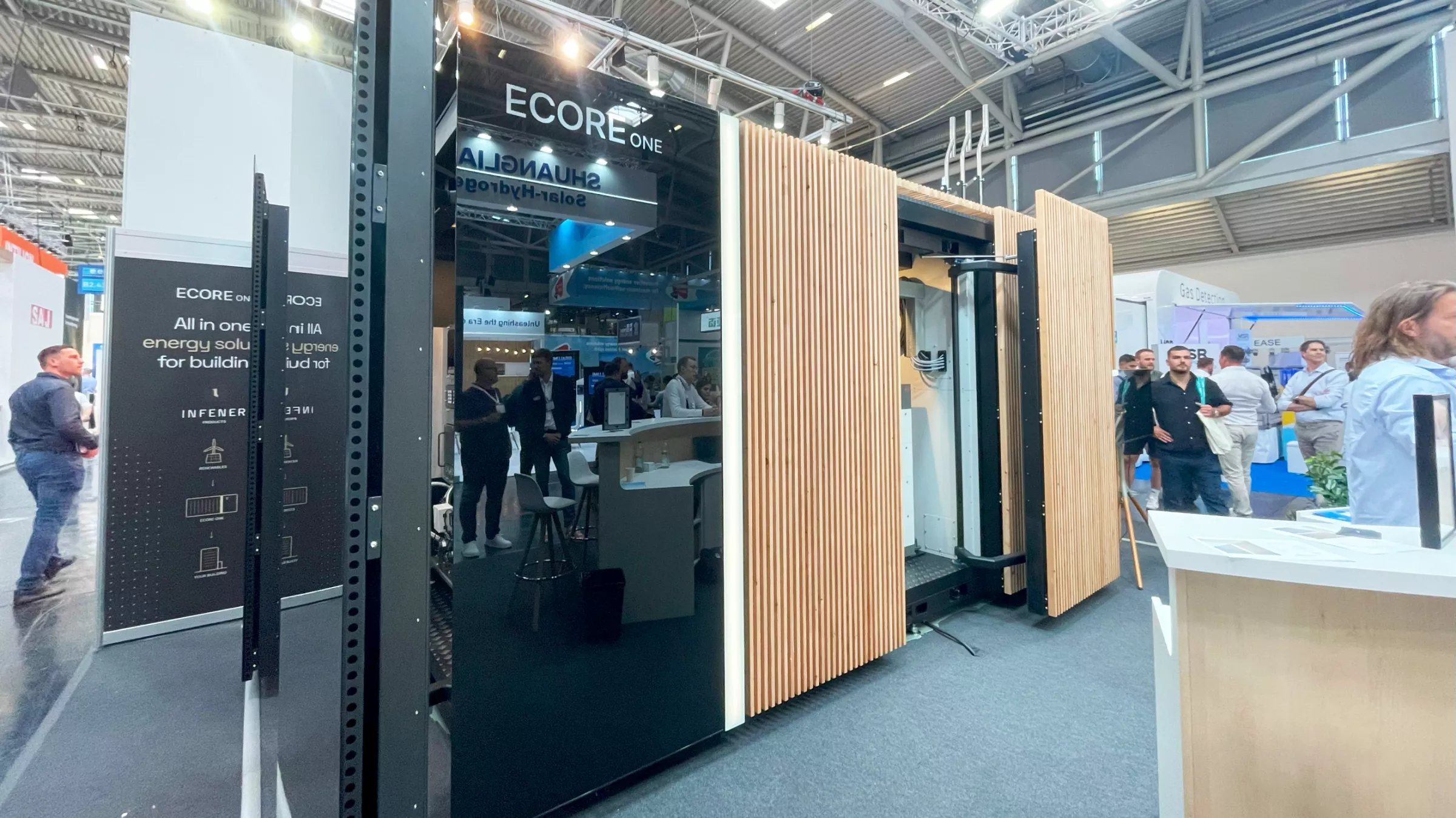
Ecore One — Modular Hydrogen Energy System
Visual/Strategic Designer at N+P Innovation Design GmbH / 2022-2025
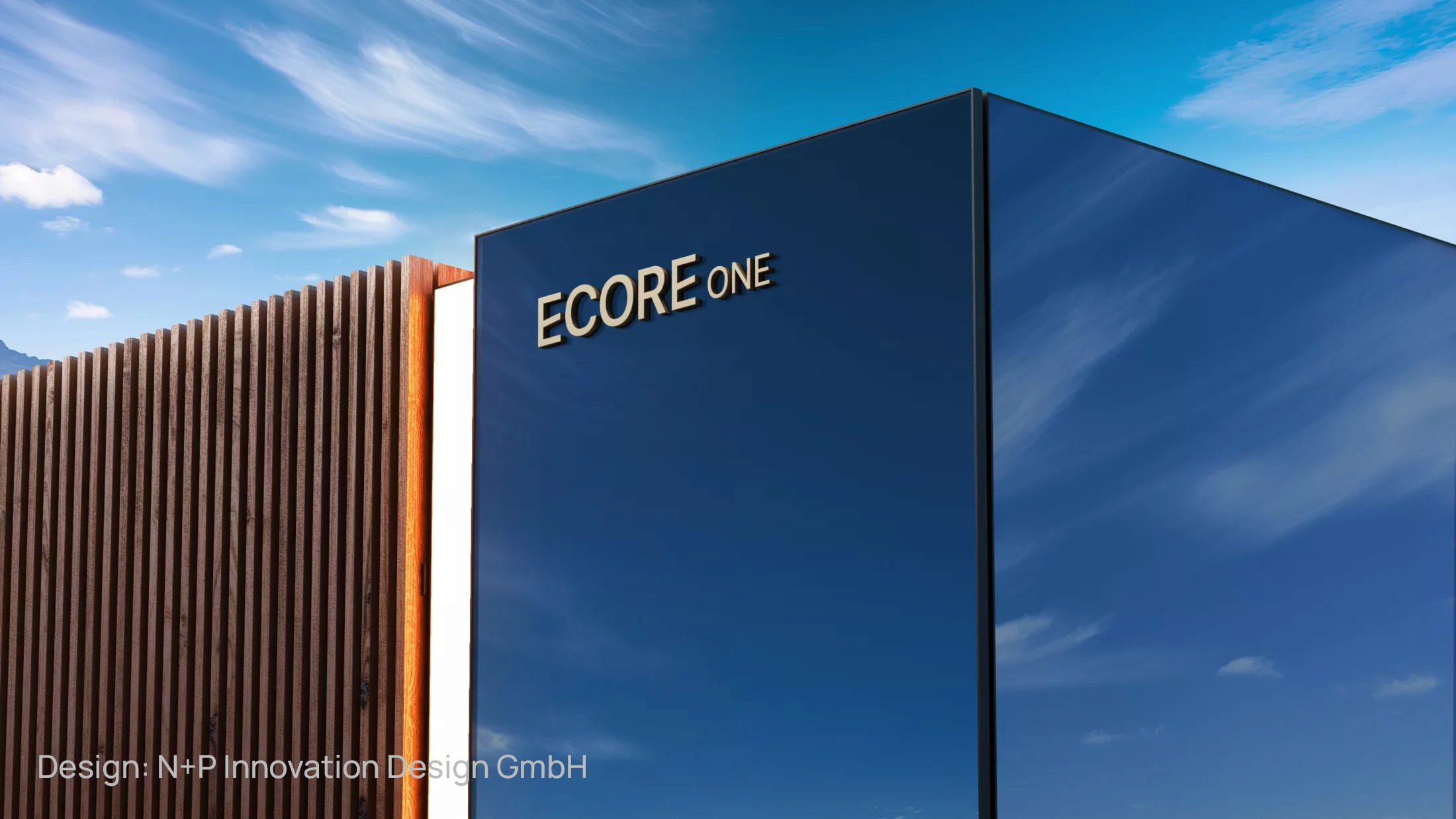
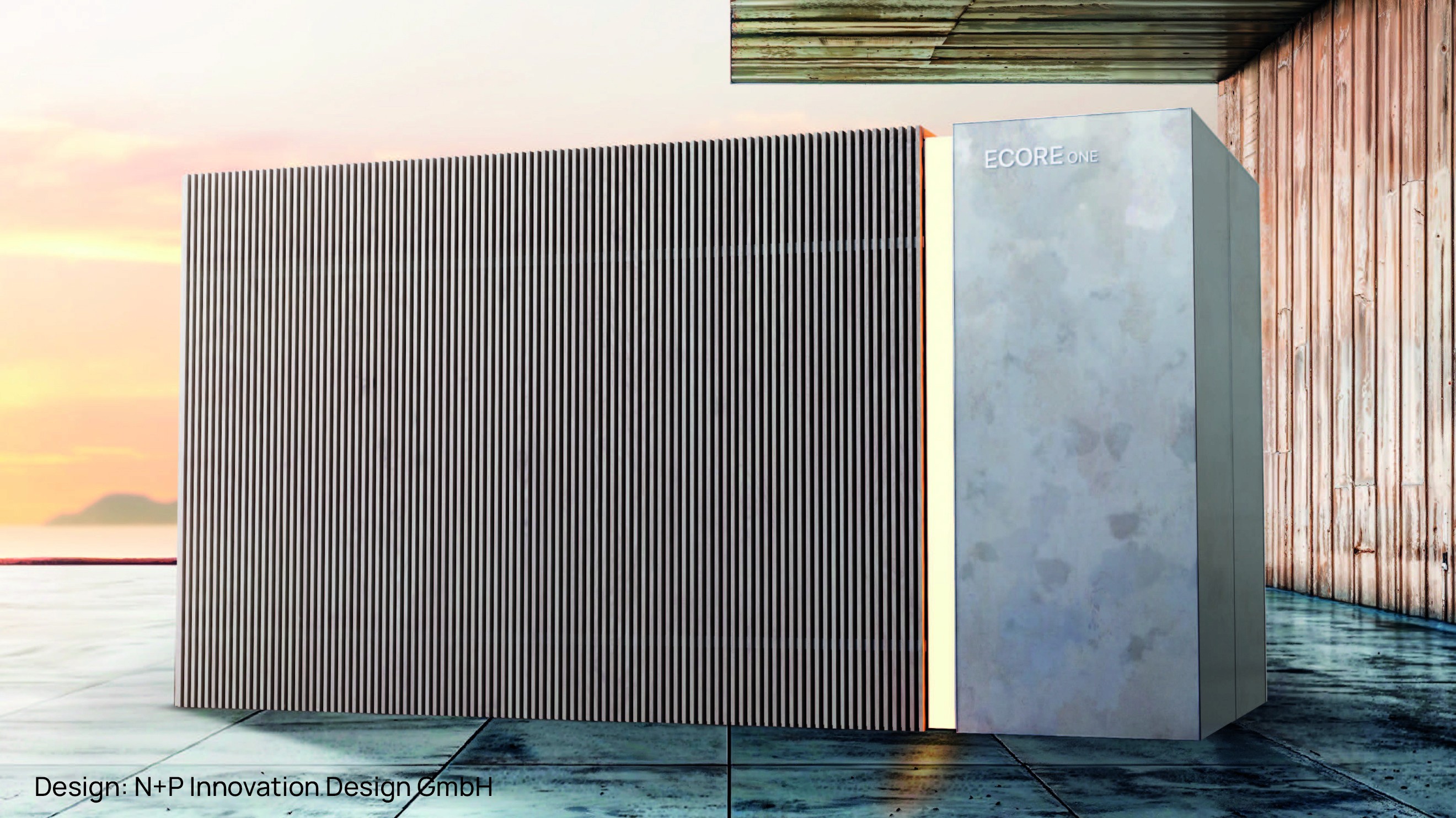
I defined the physical architecture for ECORE ONE, a self-sustaining power module that translates complex hydrogen fuel-cell technology into a seamless, user-friendly product. The system integrates solar input with hydrogen storage to provide clean, autonomous energy for residential and commercial use.
My focus was on scalability and modularity: designing the unit as a system of interlocking blocks that can be customized for private yards or industrial sites. This approach transformed heavy technical infrastructure into an accessible, decentralized alternative to traditional power grids, bridging the gap between advanced engineering constraints and intuitive human interaction.
Ecore One — Modular Hydrogen Energy System
Visual/Strategic Designer at N+P Innovation Design GmbH / 2022-2025
I defined the physical architecture for ECORE ONE, a self-sustaining power module that translates complex hydrogen fuel-cell technology into a seamless, user-friendly product. The system integrates solar input with hydrogen storage to provide clean, autonomous energy for residential and commercial use.
My focus was on scalability and modularity: designing the unit as a system of interlocking blocks that can be customized for private yards or industrial sites. This approach transformed heavy technical infrastructure into an accessible, decentralized alternative to traditional power grids, bridging the gap between advanced engineering constraints and intuitive human interaction.
Ecore One — Modular Hydrogen Energy System
Visual/Strategic Designer at N+P Innovation Design GmbH / 2022-2025
I defined the physical architecture for ECORE ONE, a self-sustaining power module that translates complex hydrogen fuel-cell technology into a seamless, user-friendly product. The system integrates solar input with hydrogen storage to provide clean, autonomous energy for residential and commercial use.
My focus was on scalability and modularity: designing the unit as a system of interlocking blocks that can be customized for private yards or industrial sites. This approach transformed heavy technical infrastructure into an accessible, decentralized alternative to traditional power grids, bridging the gap between advanced engineering constraints and intuitive human interaction.

Reddot winner 2024
BMW – FSZ Fahrsimulationszentrum, München
Architect at RKW Architektur + / 2016-2017
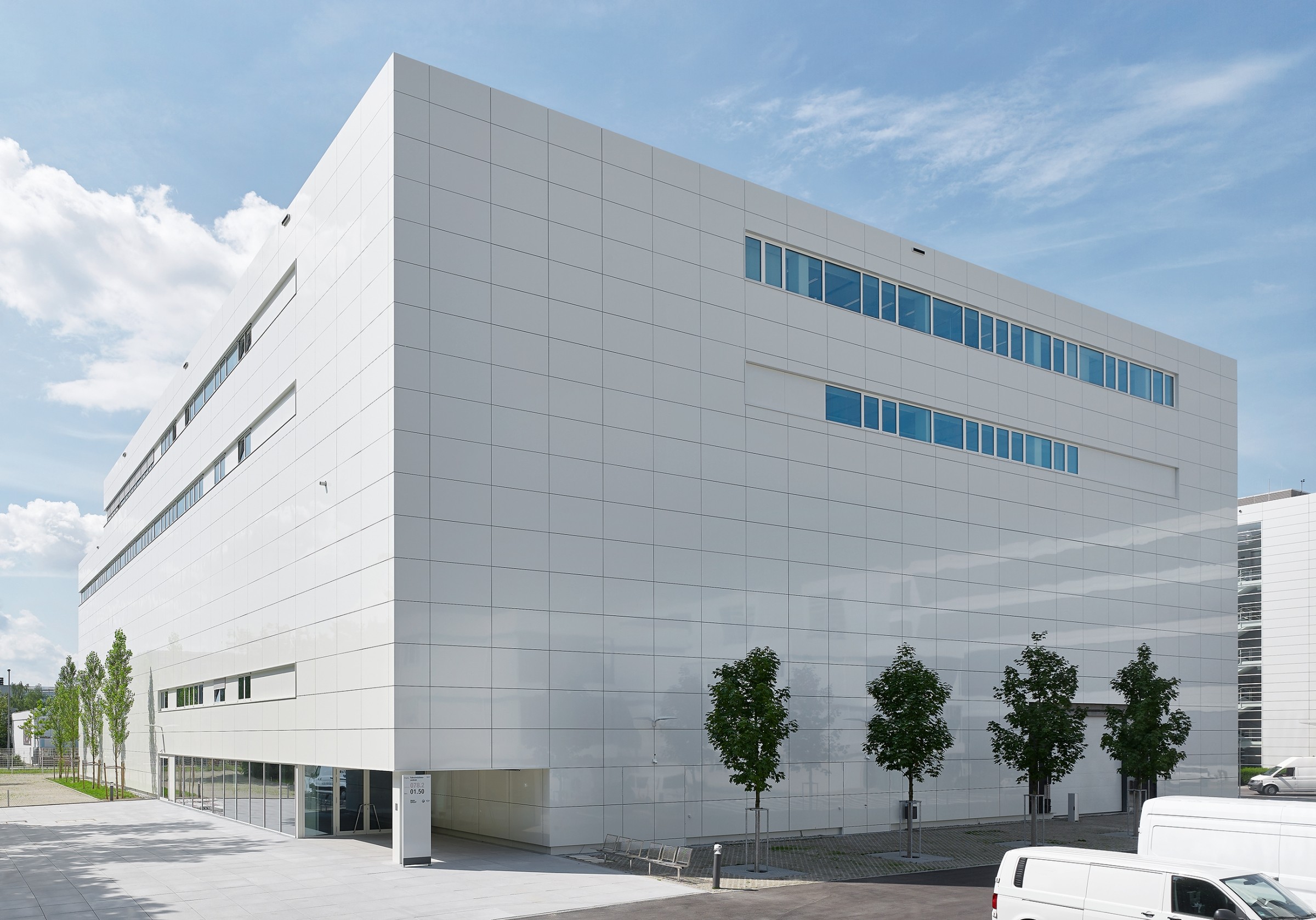
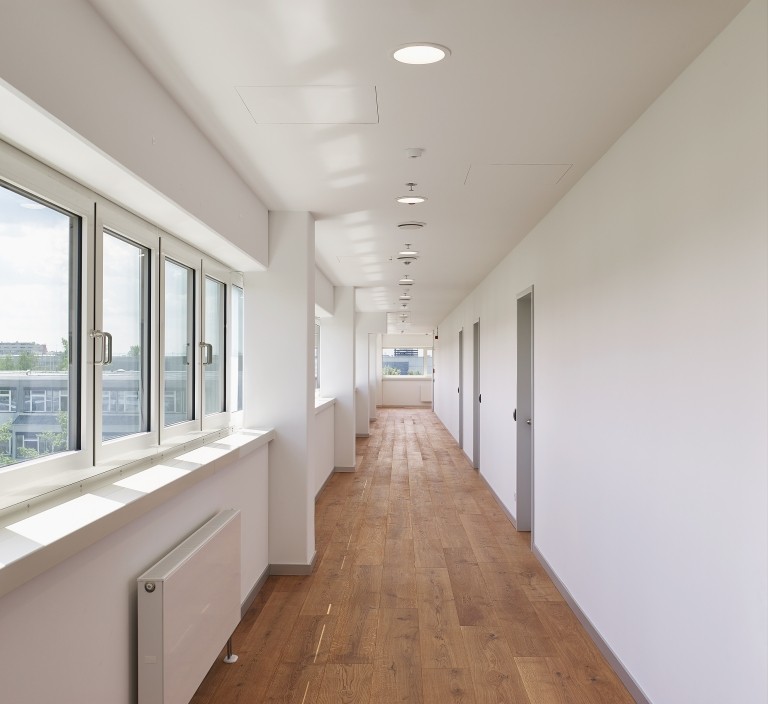
Contributed to the floor planning and façade design of BMW’s state-of-the-art driving simulation center.
My work focused on developing conceptual façade studies, refining the final design through multiple iterations, and preparing LP3-level drawings for approval.
The project combined high technical requirements with a distinct architectural identity — translating BMW’s precision and innovation ethos into built form.
BMW – FSZ Fahrsimulationszentrum, München
Architect at RKW Architektur + / 2016-2017
Contributed to the floor planning and façade design of BMW’s state-of-the-art driving simulation center.
My work focused on developing conceptual façade studies, refining the final design through multiple iterations, and preparing LP3-level drawings for approval.
The project combined high technical requirements with a distinct architectural identity — translating BMW’s precision and innovation ethos into built form.
BMW – FSZ Fahrsimulationszentrum, München
Architect at RKW Architektur + / 2016-2017
Contributed to the floor planning and façade design of BMW’s state-of-the-art driving simulation center.
My work focused on developing conceptual façade studies, refining the final design through multiple iterations, and preparing LP3-level drawings for approval.
The project combined high technical requirements with a distinct architectural identity — translating BMW’s precision and innovation ethos into built form.

Aurelia / Deep Sea Research Station
SS15 Hochschule Anhalt
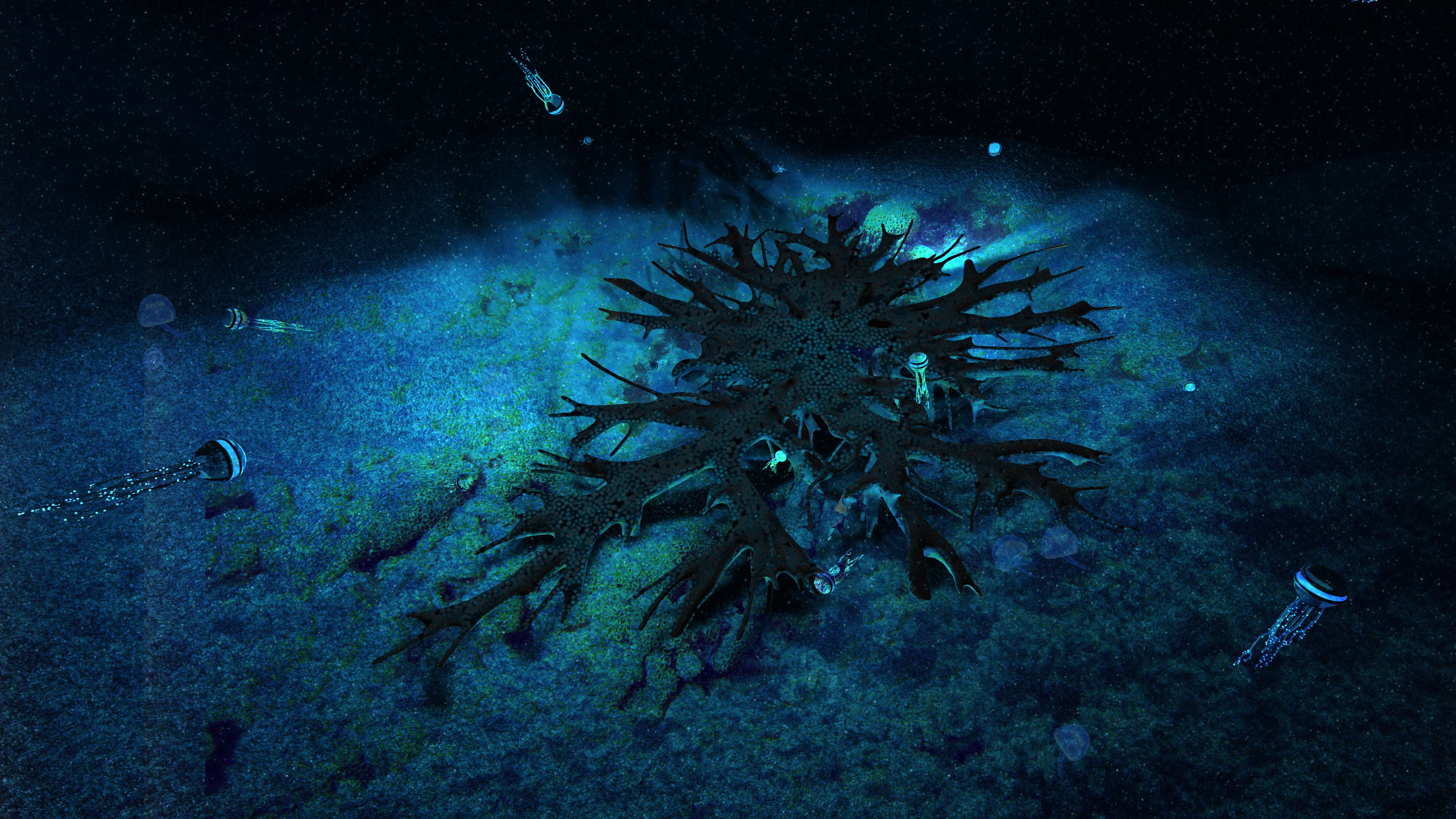
Designed autonomous drones and the research station for deep-sea climate research, applying collective intelligence for distributed sensing.
Explored growth patterns and clustering through digital simulations and physical experiments.
Translated adaptive behaviors of deep-sea organisms into engineered design strategies.
Built context-aware computational models responsive to environmental constraints like pressure and energy, using an iterative workflow of testing and refinement.
Aurelia / Deep Sea Research Station
SS15 Hochschule Anhalt
Designed autonomous drones and the research station for deep-sea climate research, applying collective intelligence for distributed sensing.
Explored growth patterns and clustering through digital simulations and physical experiments.
Translated adaptive behaviors of deep-sea organisms into engineered design strategies.
Built context-aware computational models responsive to environmental constraints like pressure and energy, using an iterative workflow of testing and refinement.
Aurelia / Deep Sea Research Station
SS15 Hochschule Anhalt
Designed autonomous drones and the research station for deep-sea climate research, applying collective intelligence for distributed sensing.
Explored growth patterns and clustering through digital simulations and physical experiments.
Translated adaptive behaviors of deep-sea organisms into engineered design strategies.
Built context-aware computational models responsive to environmental constraints like pressure and energy, using an iterative workflow of testing and refinement.

Awarded Best Project of the Year
The Float Project
WS14 Hochschule Anhalt
Explored self-organization principles to imagine future sea-based cities in Amsterdam Area.
Used Processing 2.0 simulations alongside physical experiments to test growth patterns.
Early master’s project that combined computational design and urban speculation.
The Float Project
WS14 Hochschule Anhalt
Explored self-organization principles to imagine future sea-based cities in Amsterdam Area.
Used Processing 2.0 simulations alongside physical experiments to test growth patterns.
Early master’s project that combined computational design and urban speculation.
The Float Project
WS14 Hochschule Anhalt
Explored self-organization principles to imagine future sea-based cities in Amsterdam Area.
Used Processing 2.0 simulations alongside physical experiments to test growth patterns.
Early master’s project that combined computational design and urban speculation.

EXO / Weaving in Architecture
SS16 Hochschule Anhalt
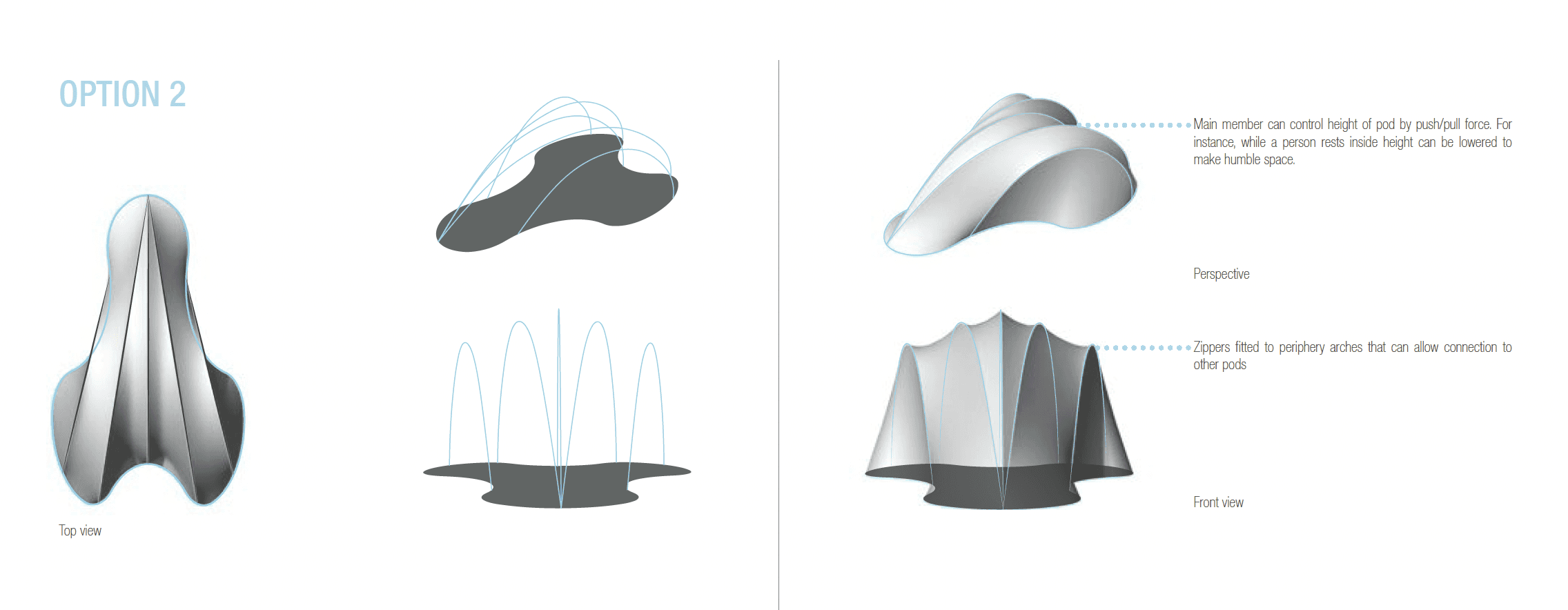
Experimentation with fabric form-finding using tension and compression to explore structural possibilities.
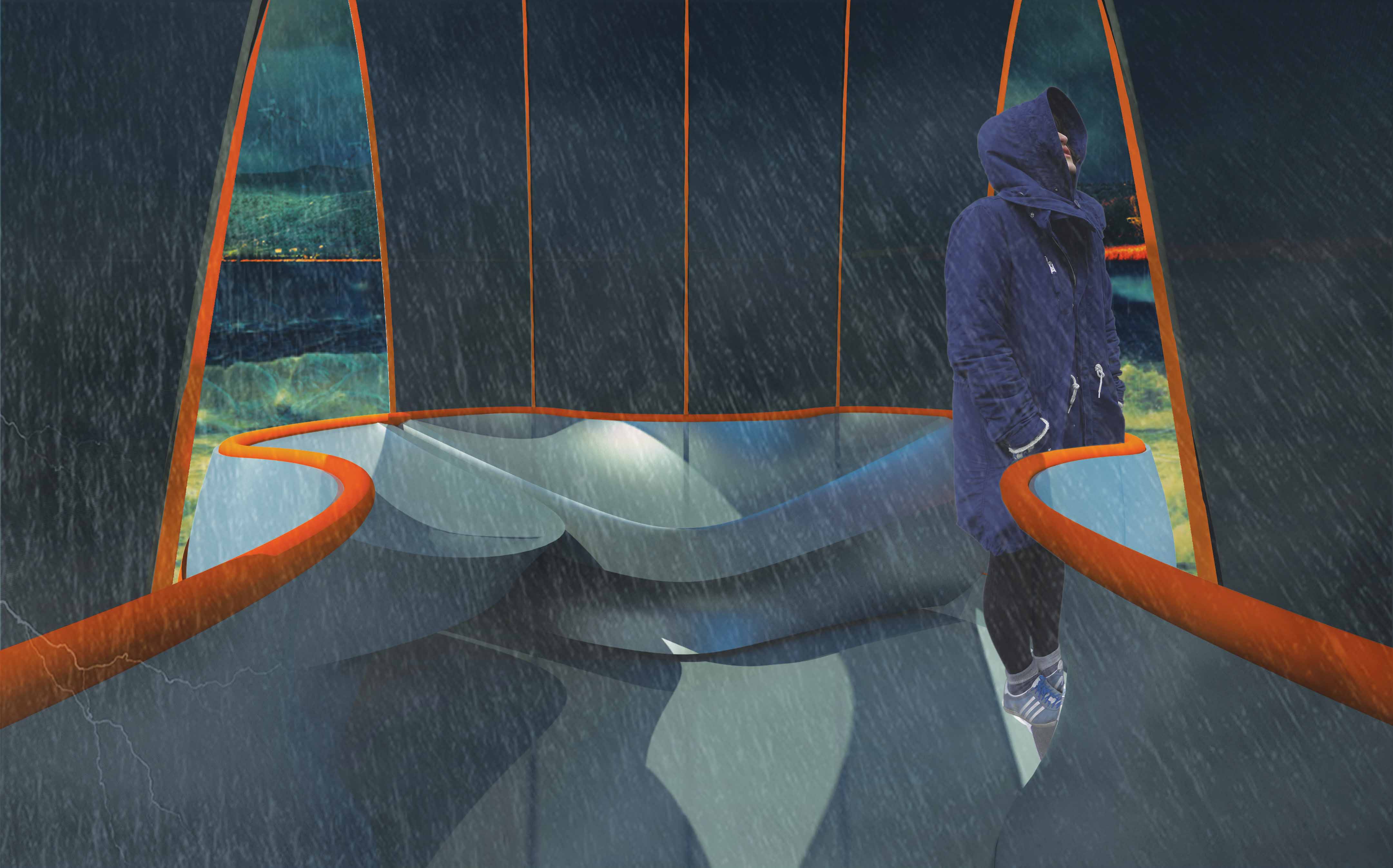
The investigations then applied to a flood-rescue context, resulting in compact, low-cost pods that function as both transport and temporary shelter.
The forms were tested through structural analysis software, and the most optimized design was developed further.
EXO / Weaving in Architecture
SS16 Hochschule Anhalt
Experimentation with fabric form-finding using tension and compression to explore structural possibilities.
The investigations then applied to a flood-rescue context, resulting in compact, low-cost pods that function as both transport and temporary shelter.
The forms were tested through structural analysis software, and the most optimized design was developed further.
EXO / Weaving in Architecture
SS16 Hochschule Anhalt
Experimentation with fabric form-finding using tension and compression to explore structural possibilities.
The investigations then applied to a flood-rescue context, resulting in compact, low-cost pods that function as both transport and temporary shelter.
The forms were tested through structural analysis software, and the most optimized design was developed further.

Master Thesis Project