Creative Directed a first-person, time-critical training system to improve retention in high-risk environments. Replacing static safety manuals with an immersive, single-user simulation that trains decision-making under time pressure.
My Role
Creative Lead (UX, game mechanics, system design)
Team of 5.
Context & Format
Industrial safety training (3D printers, makerspace)
Web-based, first-person simulation
Industry
Industrial safety training,
Corporate training
Duration
1 year collaboration
2020-2021
The Problem
Safety training fails not because people don’t care — but because it competes with time, attention, and cognitive bandwidth.
Internal research with Siemens employees revealed three systemic issues:
95%
of interviewed employees were not satisfied with existing online safety training
80%
reported they did not have enough uninterrupted time to complete training
Traditional formats require
~60 pages
~2.5 hours
Safety trainings are designed as information delivery — while real-world safety depends on decision-making under pressure.
Design Challenge
People don’t remember instructions — they remember situations.
HMW design safety training that
Fits into limited time windows
Improves long-term recall
Prepares users for real operational stress, not ideal conditions
Maintains ethical responsibility while simulating pressure
Design Hypothesis
The Solution
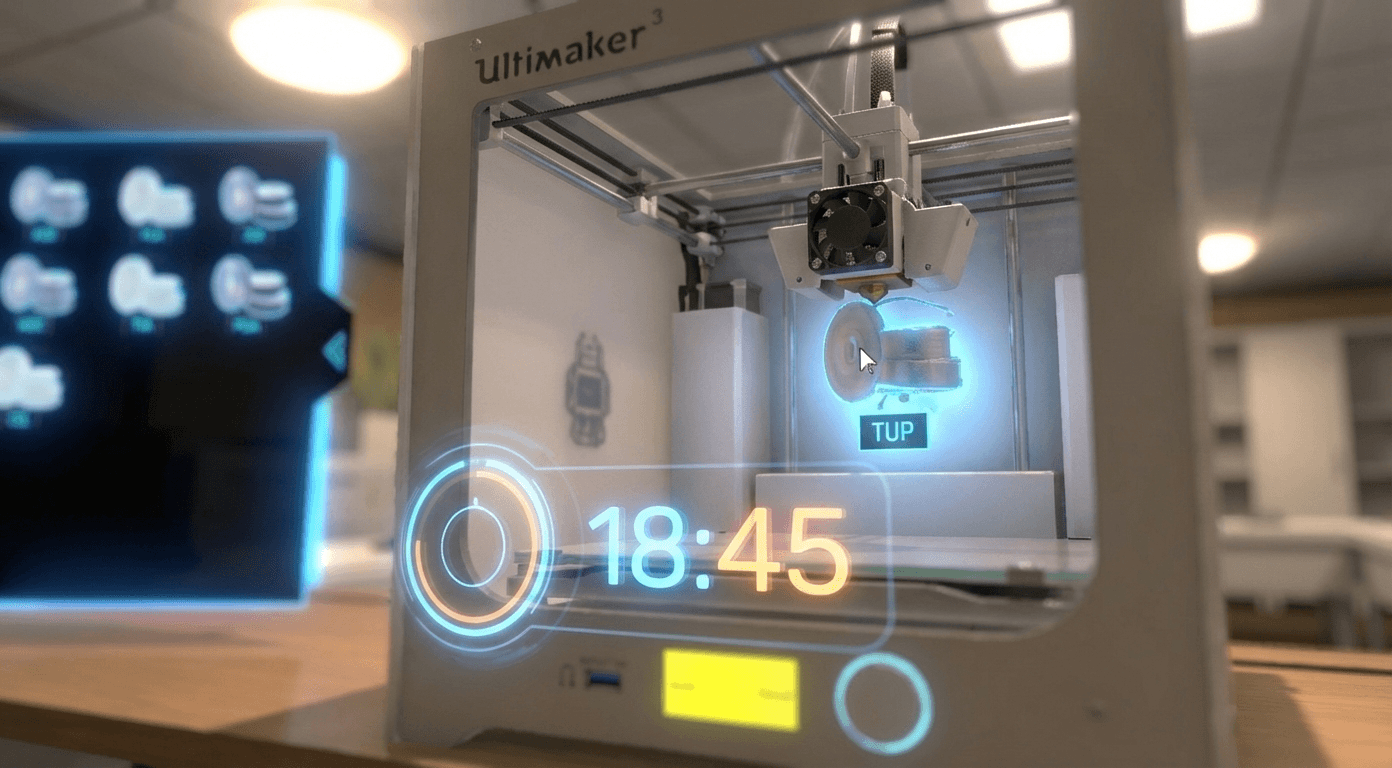
A Web-Based, Single-User Safety Simulation for 3D Printer Training.
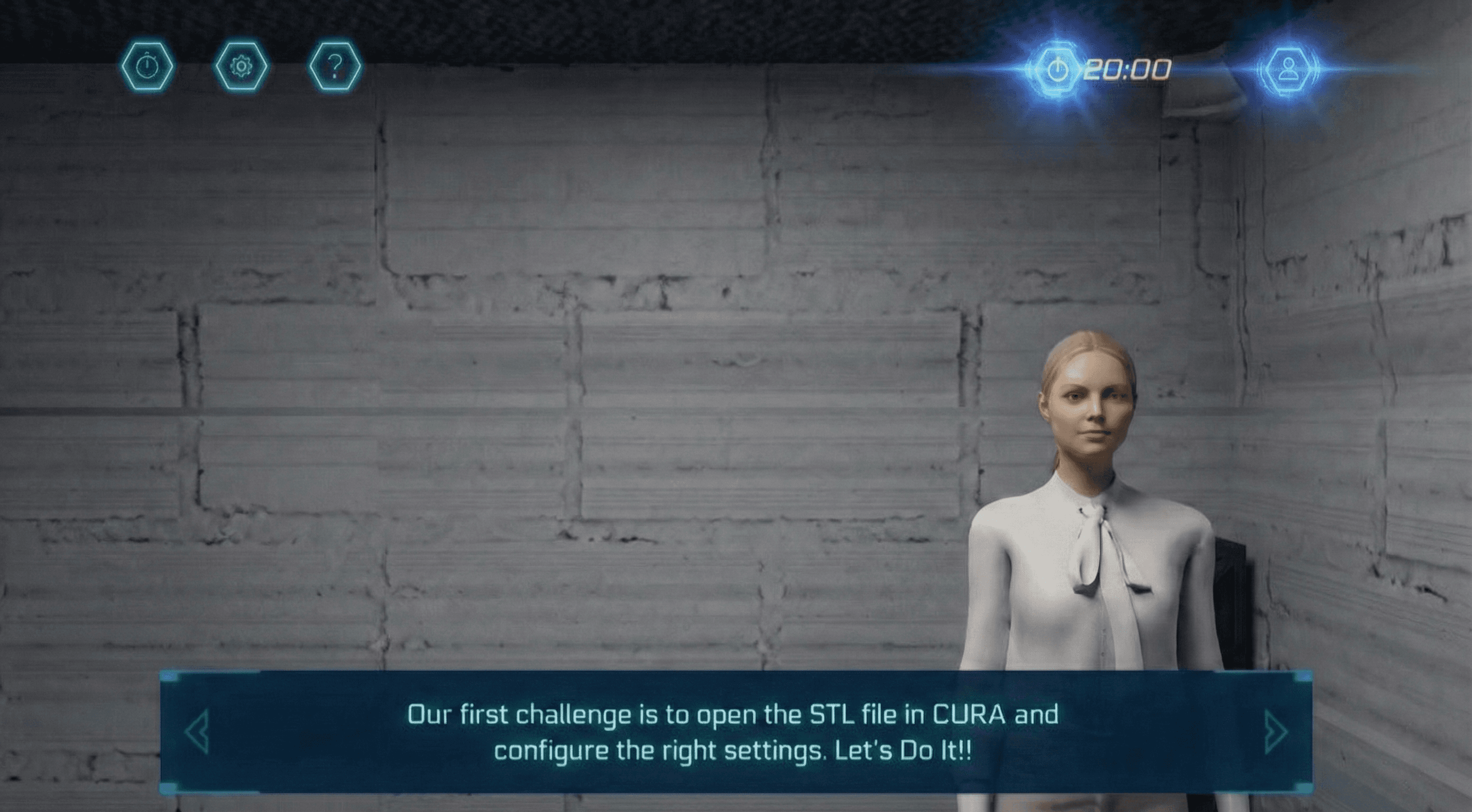
Inspired by escape-room logic, grounded in real protocols, the experience places users inside a simulated operational scenario.
GAME MECHANICS EMPLOYED
NARRATIVE
SIMULATION
TIME PRESSURE
Stress designed as a learning signal not as punishment
Mirrors real operational conditions
Forces prioritisation and recall
Enhances memory encoding through emotional engagement
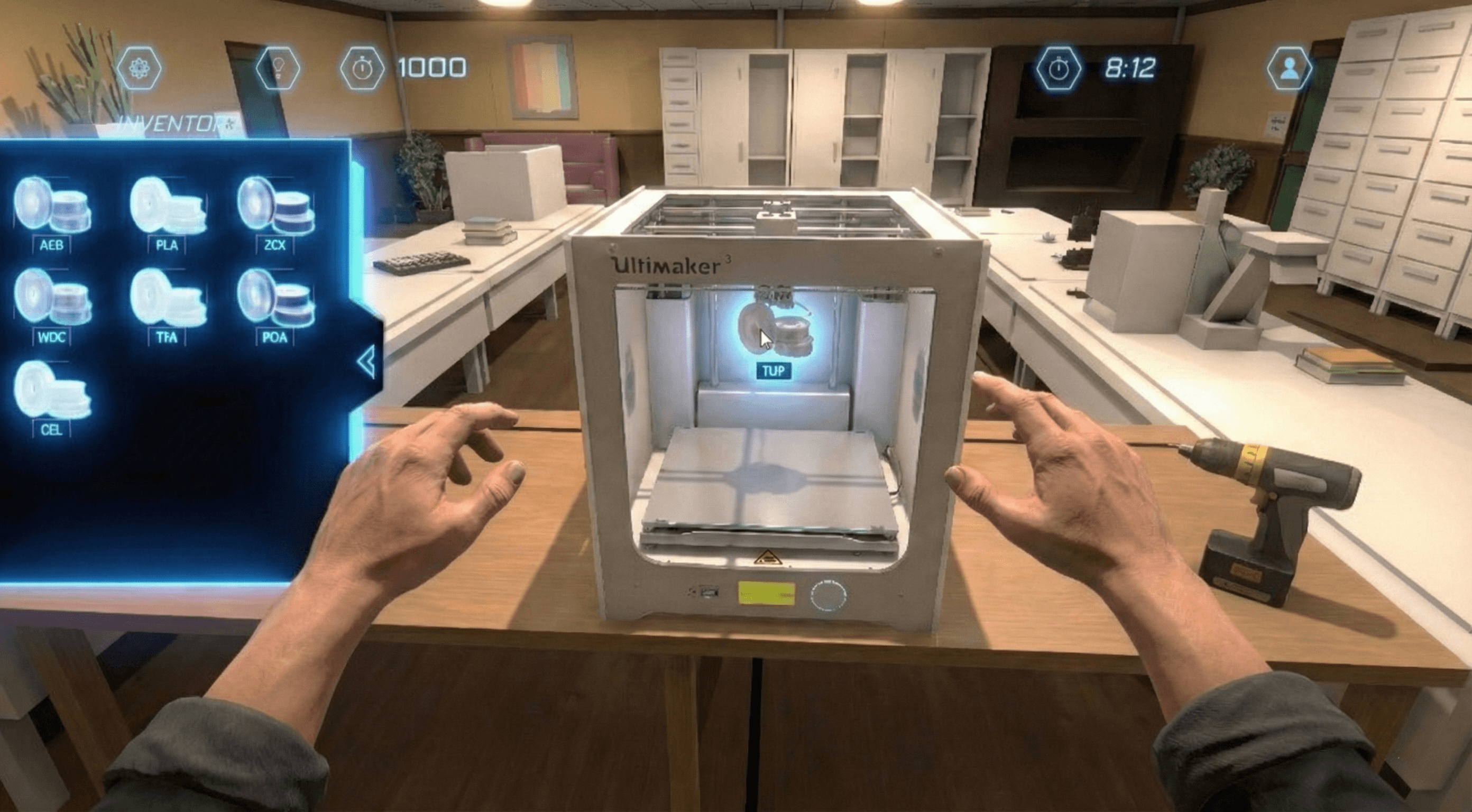
FIRST-PERSON PERSPECTIVE
Eliminates observer distance
Builds situational awareness
Improves transfer from training to real-world context
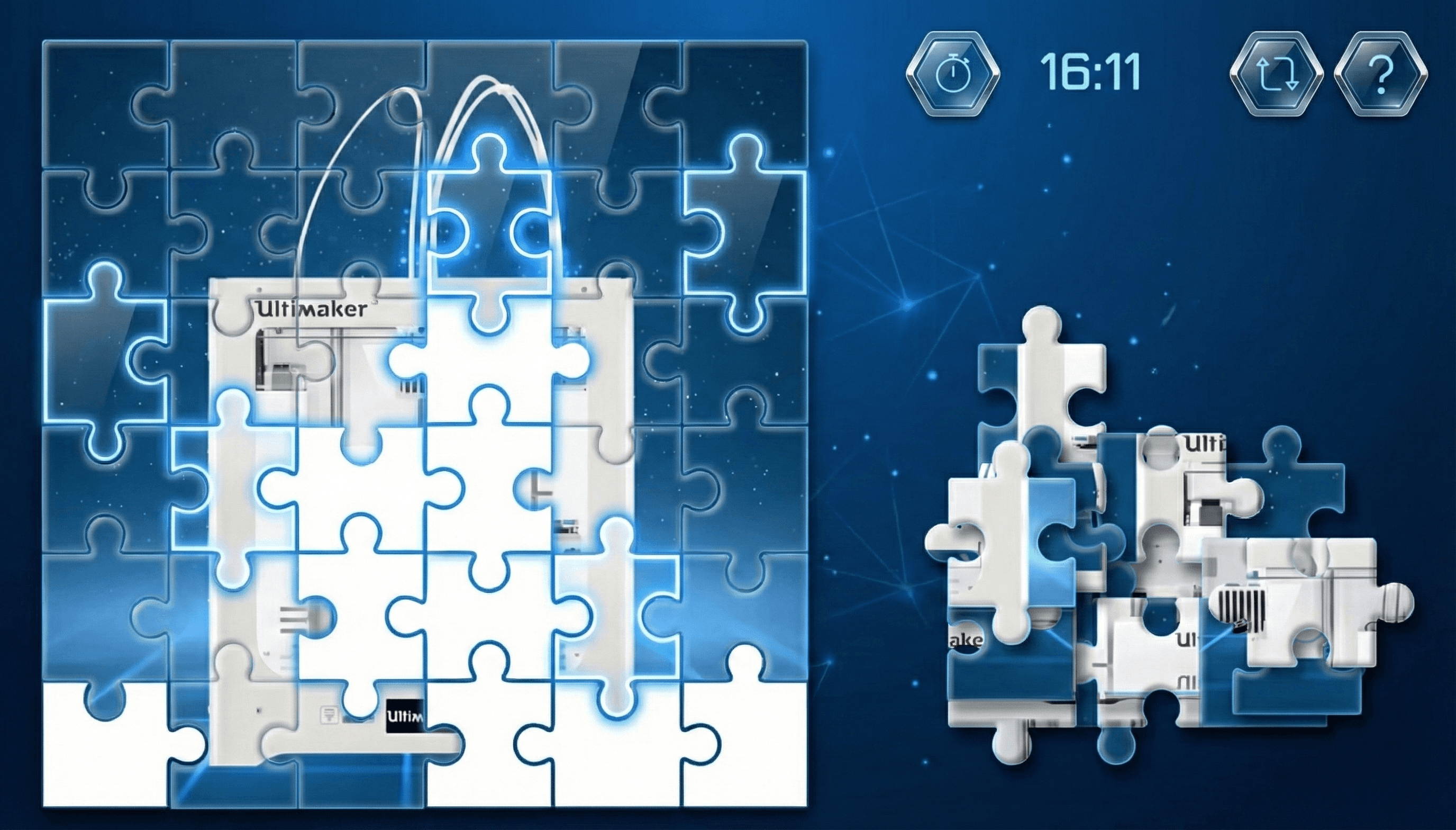
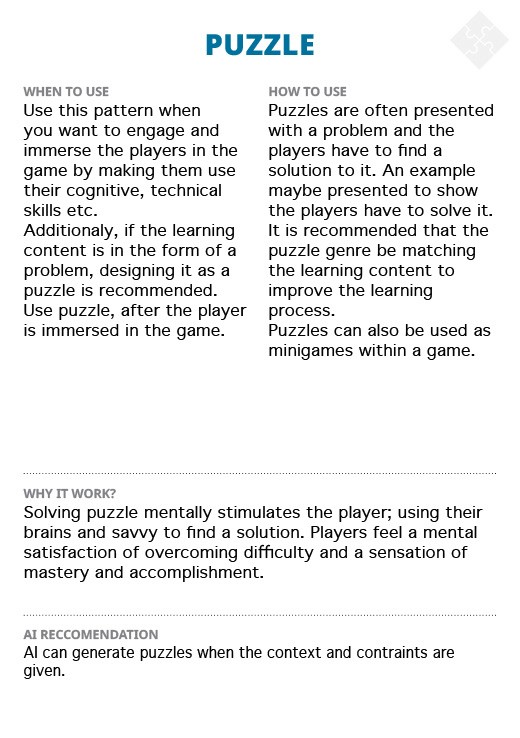
PUZZLE
Mini-Tasks as memory anchors where actions are repeated through variation, not just repetition.
Embodies specific safety protocols
Errors trigger feedback loops that reinforce correct behavior
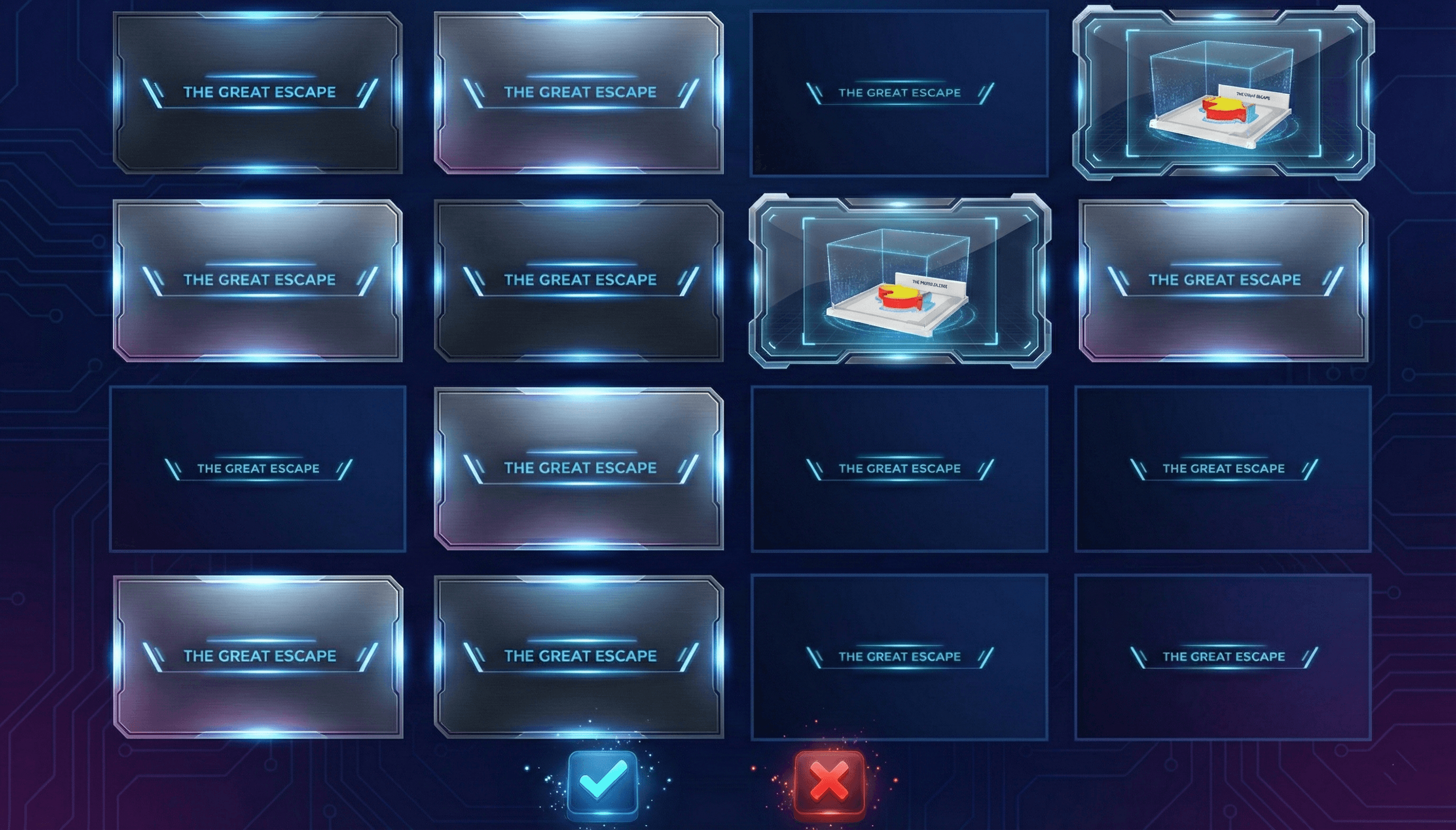
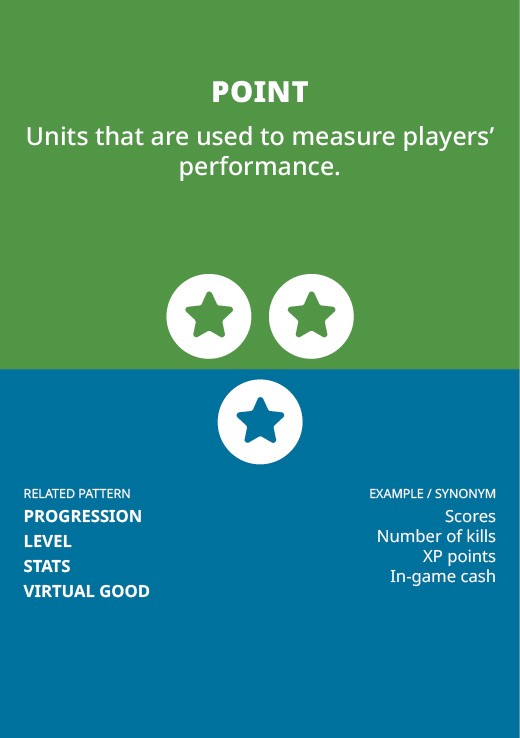
VIRTUAL GOODS
Provides players with clear data to evaluate performance and plan future actions.
Reinforces core concepts of resource management and operational efficiency.
Deepens emotional immersion and a sense of ownership through an earned asset economy.
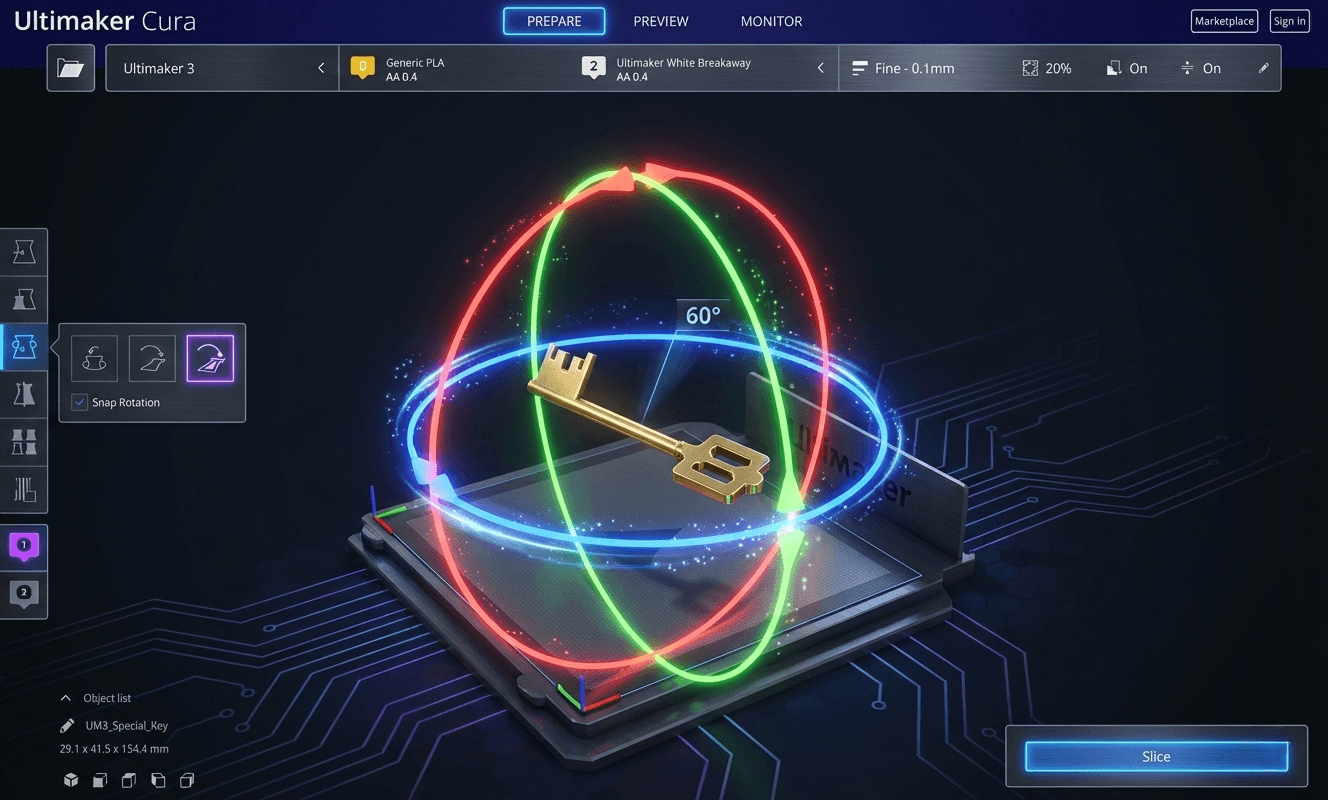
Outcome & Validation
Employees reported higher engagement compared to text- or video-based training.
Participants recalled procedures more effectively than after conventional lectures.
The MVP demonstrated that:
Safety training can be shorter, not longer
Engagement can coexist with seriousness
Cognitive load can be designed responsibly
The Scalability Bottleneck
Resource Intensity
Content expansion currently requires manual adaptation and specialized game design expertise for every new topic.
Scaling Barriers
While the MVP successfully validated the concept, the current framework limits our ability to scale beyond a single use case.
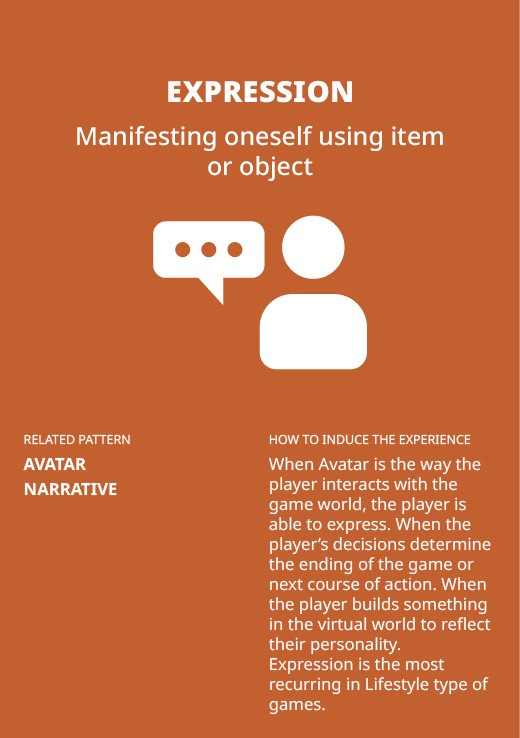
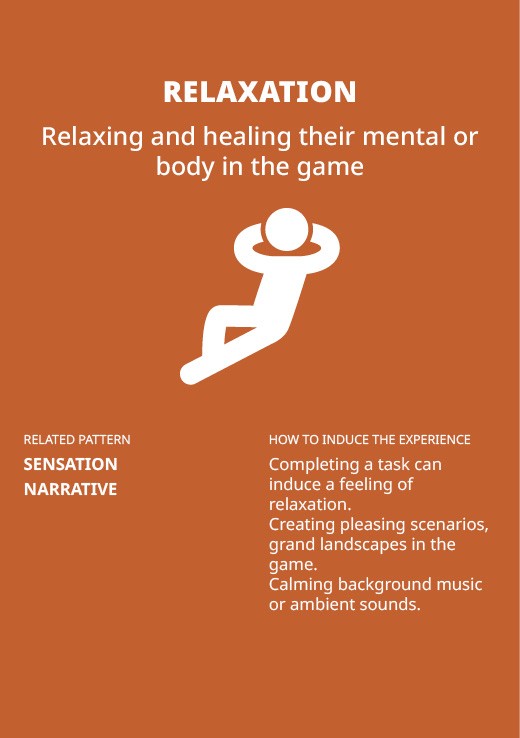
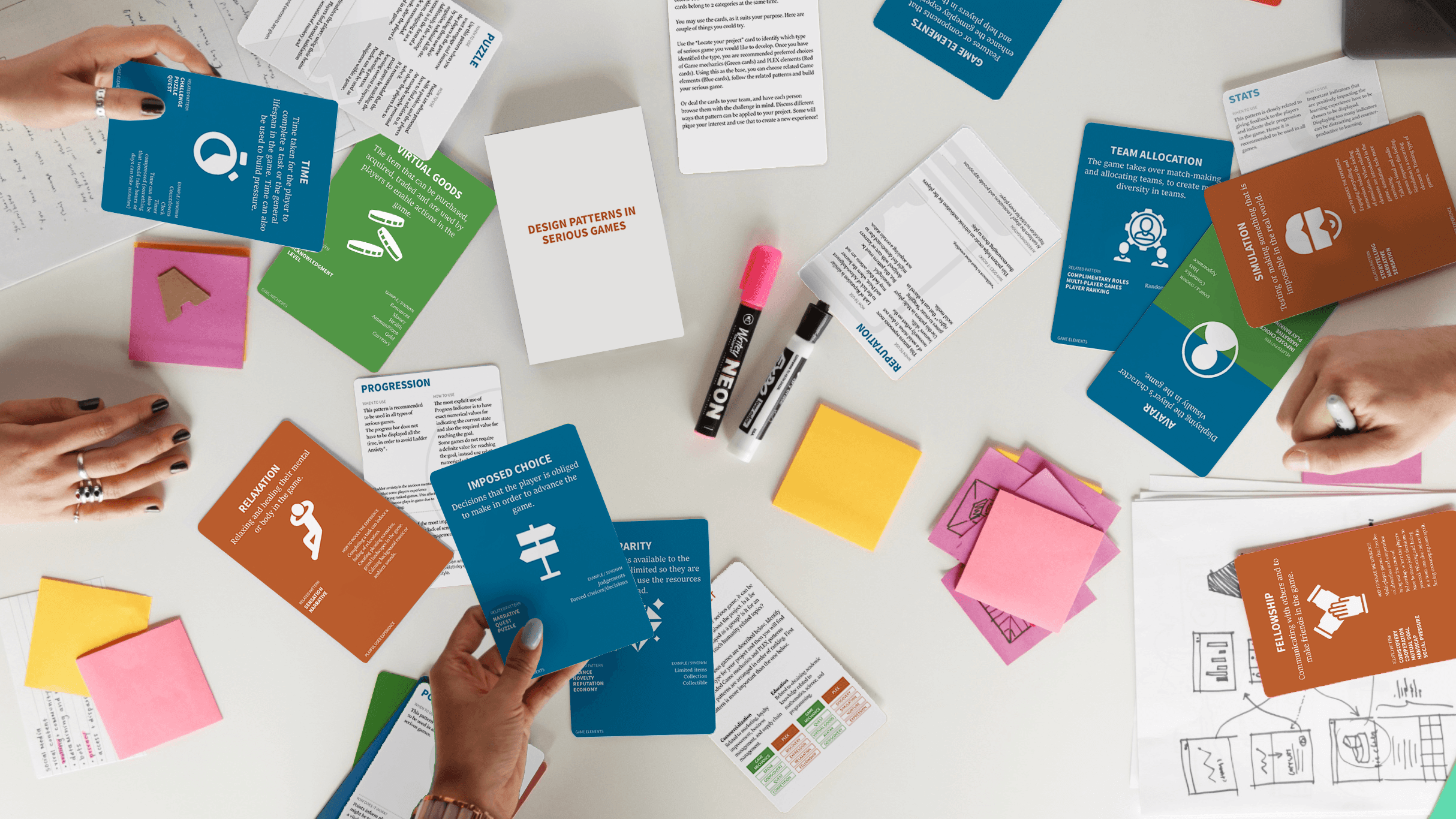
I resolved the scalability bottleneck by researching and codifying 42 recurring serious game patterns into a standardised Learning Mechanics Deck.
The modular system enables Siemens engineering/game design teams to rapidly prototype and deploy safety simulations independently, eliminating the need for dedicated game design support.
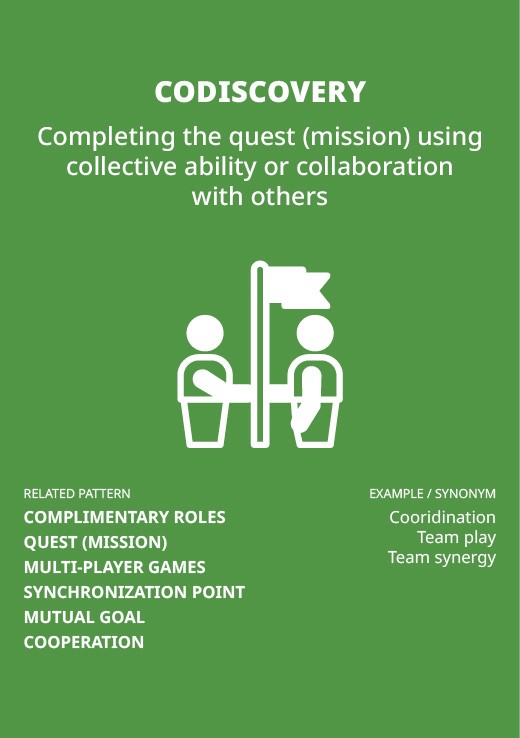
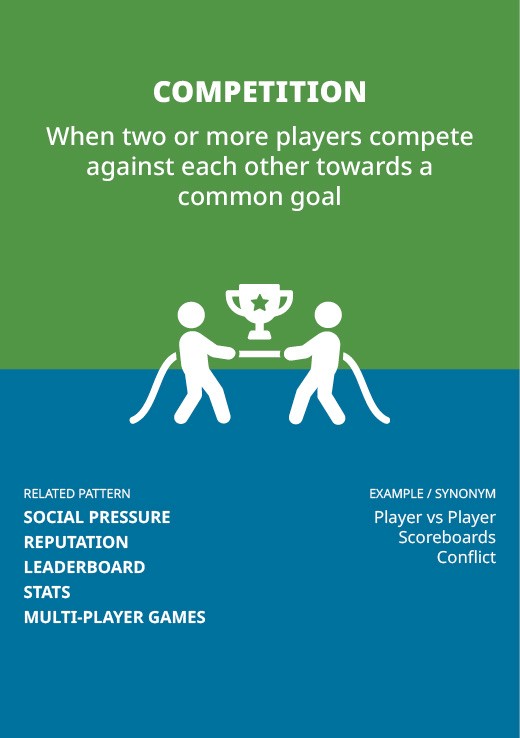
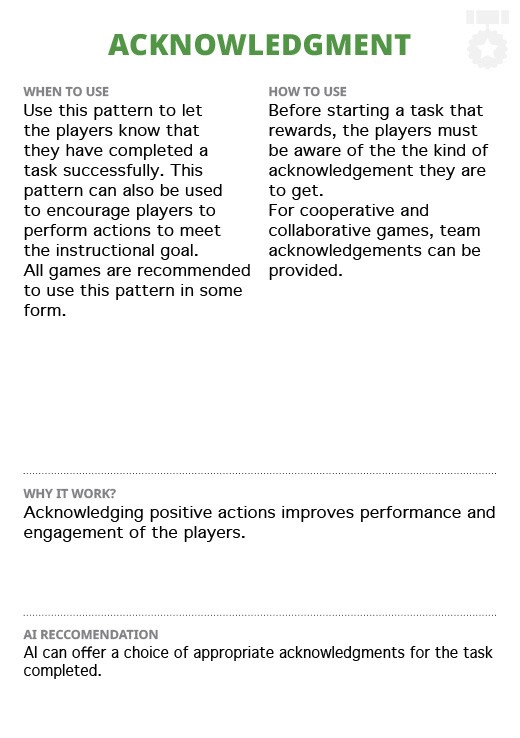
This comprehensive research project was developed as a Master's thesis for Siemens.
Reflection
I Learnt that
Safety UX must drive recall under pressure, by using immersive experiences, both knowledge retention and user satisfaction are boosted.
Leveraging time as a strict design constraint effortlessly integrates training into an employee's busy daily schedule.
True design success requires a scalable framework that delivers measurable impact across the entire business.